Insights Hub
Insights on EV charging, grid connections and life at Gigawatt.
Expert perspectives from the specialist team delivering seamless ICP grid connections for every project across the UK, DNO-approved and fully regulated at every step.
Browse by topic
Insights
Expert perspectives on the biggest barriers to EV charging deployment in the UK, grid capacity, DNO applications, connection queues and energisation, plus stories from inside the team.
How many EVs can your depot charge today?
When fleets start planning for electric vans, there is an understandable assumption that more vehicles mean more chargers, and more chargers mean more power. Not necessarily. Your existing site may support more electric vehicles than you think.

How Gigawatt delivers transparent EV projects
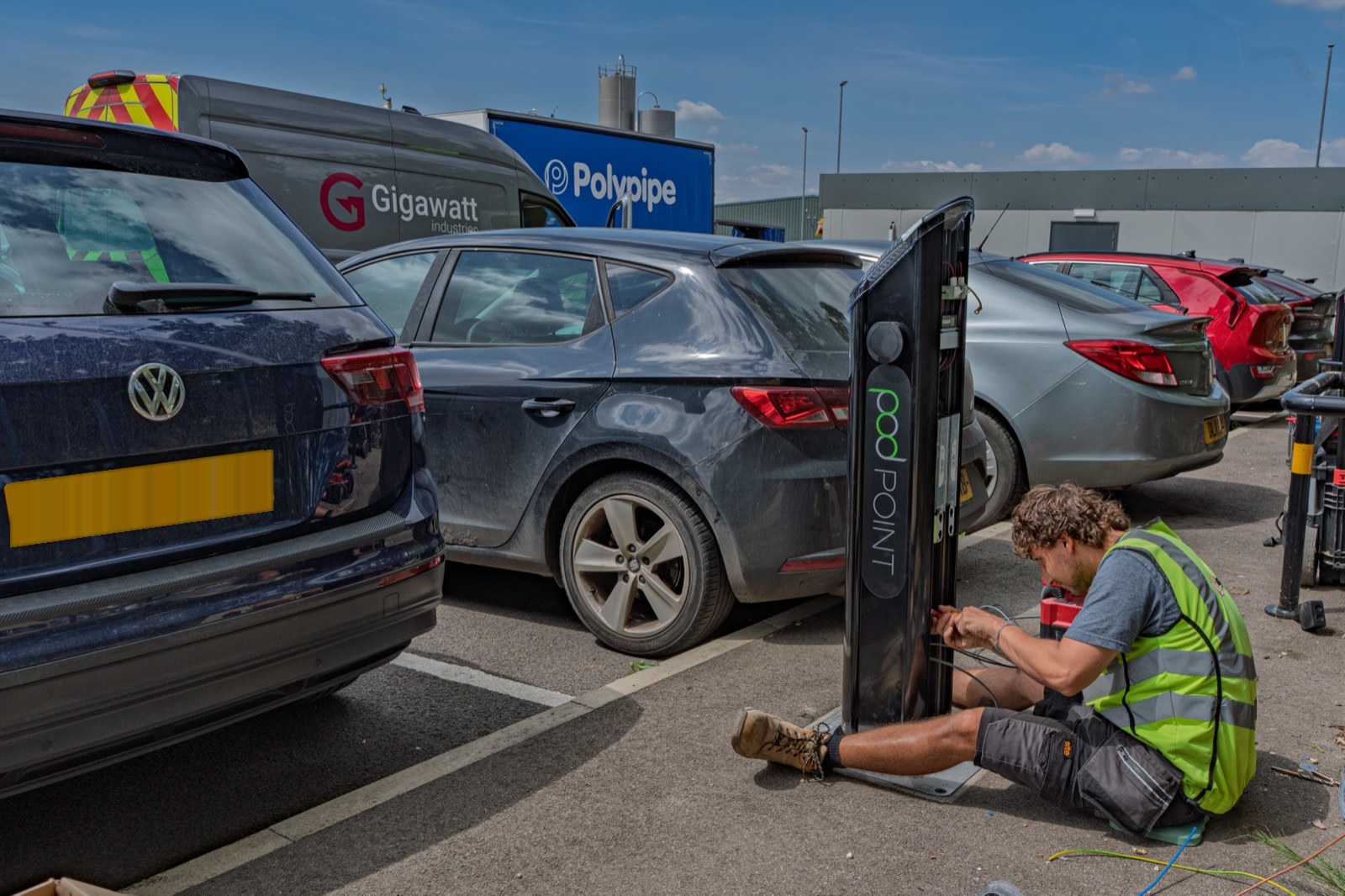
Clients want more than occasional updates on an EV charging project, they want to see progress for themselves. Here's how we build weekly site photography, online project galleries and drone footage into every EV infrastructure project.
AC or DC? Choosing the right chargers for a van depot
It's easy to assume the fastest charger must be the best charger. But if your vans return at 6pm and don't leave again until 6am, paying to charge them in 45 minutes may solve a problem you don't actually have.

What You Need to Know: EV & Grid Connection Jargon, Explained
EV charging and grid connections come wrapped in acronyms, ICP, IDNO, DNO, kVA, contestable works. This plain-English glossary defines the terms you'll meet on any EV infrastructure project, and why each one matters to your programme.

Why depot charging beats the public network for back-to-base fleets
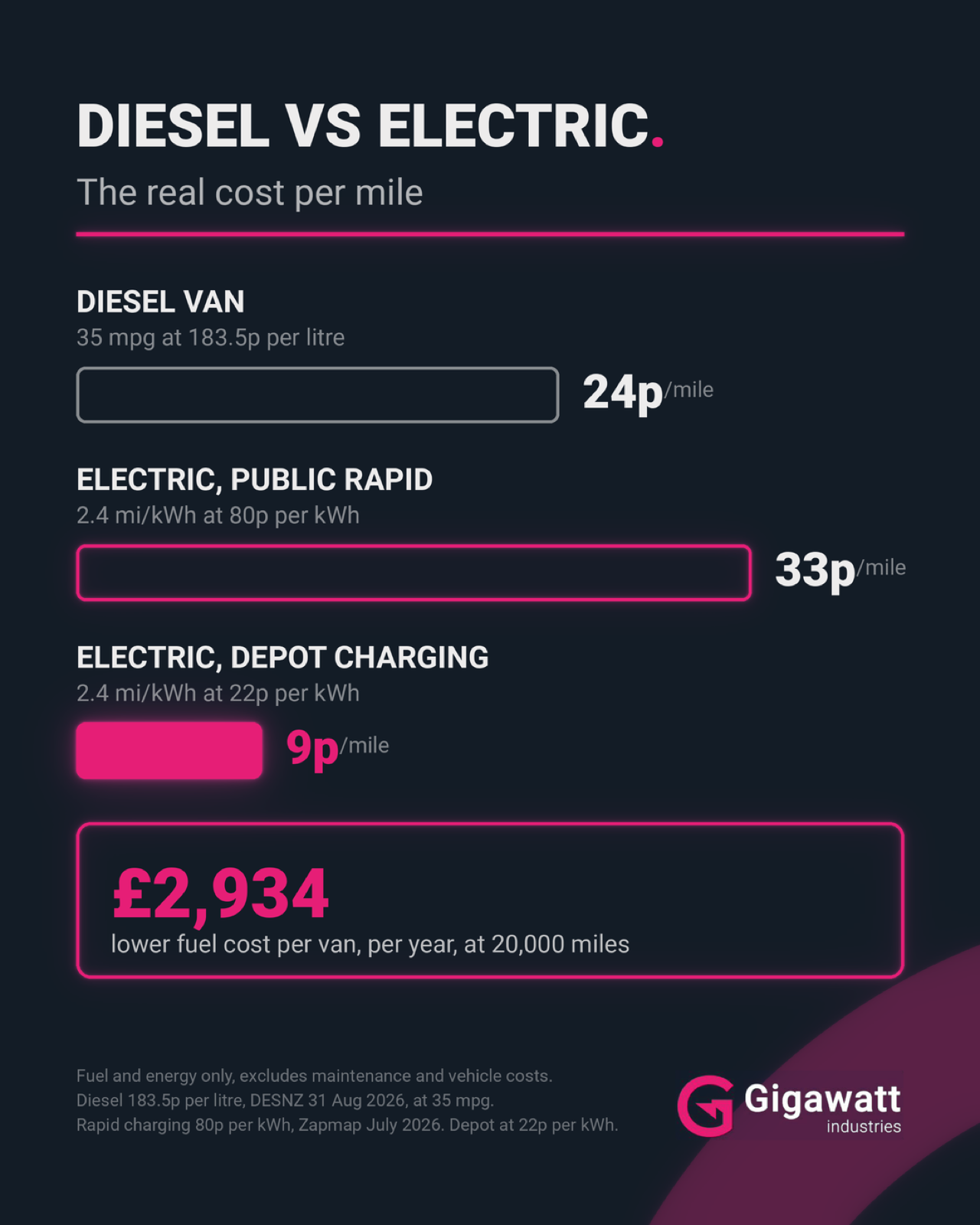
An electric van isn't automatically cheap to run. Charged overnight at its depot it costs around 9p per mile in energy. Lean on public rapid charging and that rises to about 33p, more than diesel.

Building the infrastructure company of tomorrow: our strategy for AI
The volume of charging hubs, grid connections and civils the UK needs is vast. The question behind every project we deliver: how do you build a company that gets faster and sharper as it grows? Adam Francis sets out our strategy for AI.
Can your drivers actually charge their electric vans at home?
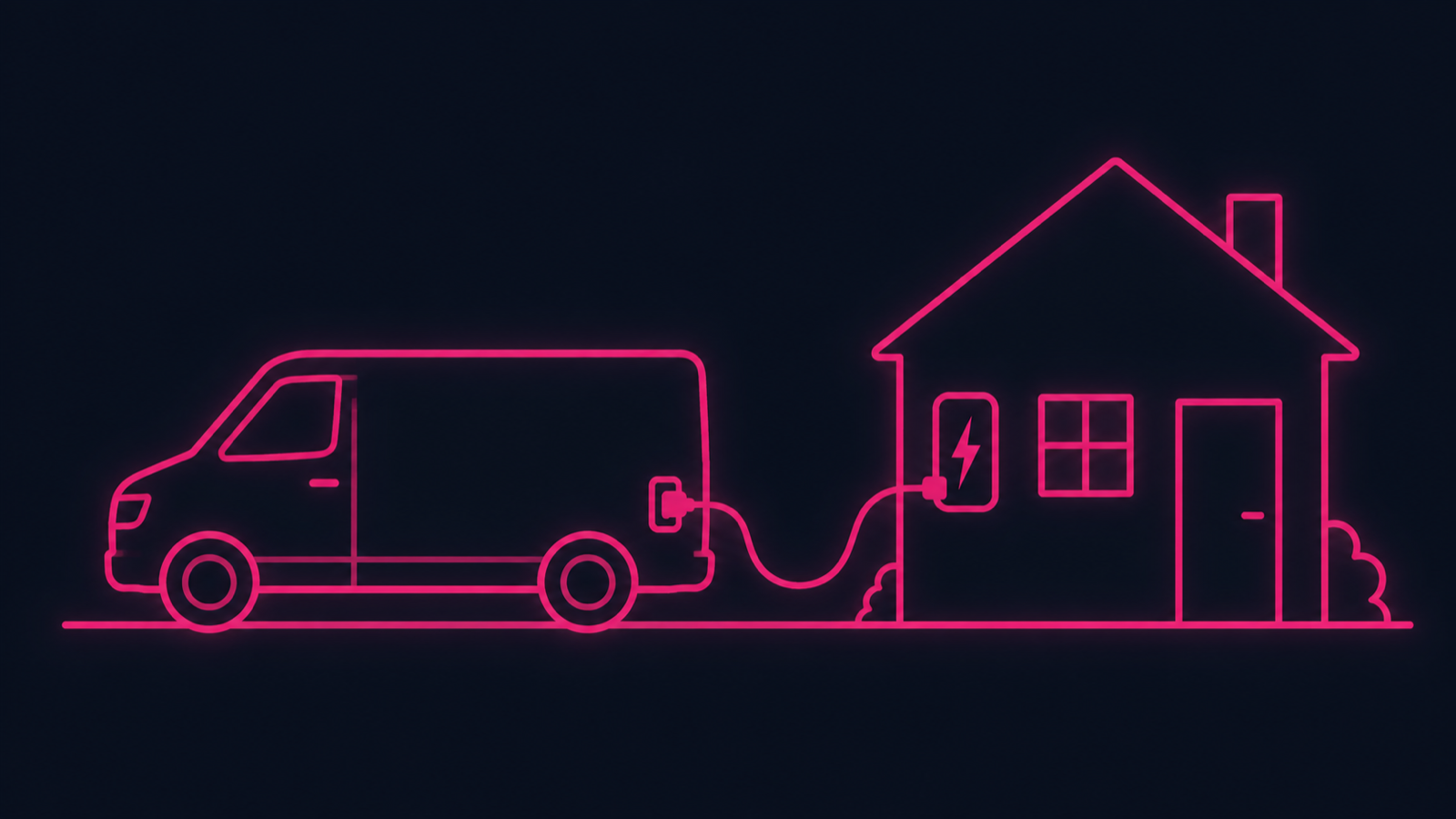
"The drivers can just charge the vans at home." It sounds like a simple solution, and for some fleets it is exactly how it works. But before building your charging strategy around drivers' homes, there is a more basic question.
Why Grid Connections Are the Biggest Barrier to EV Charging Infrastructure in the UK
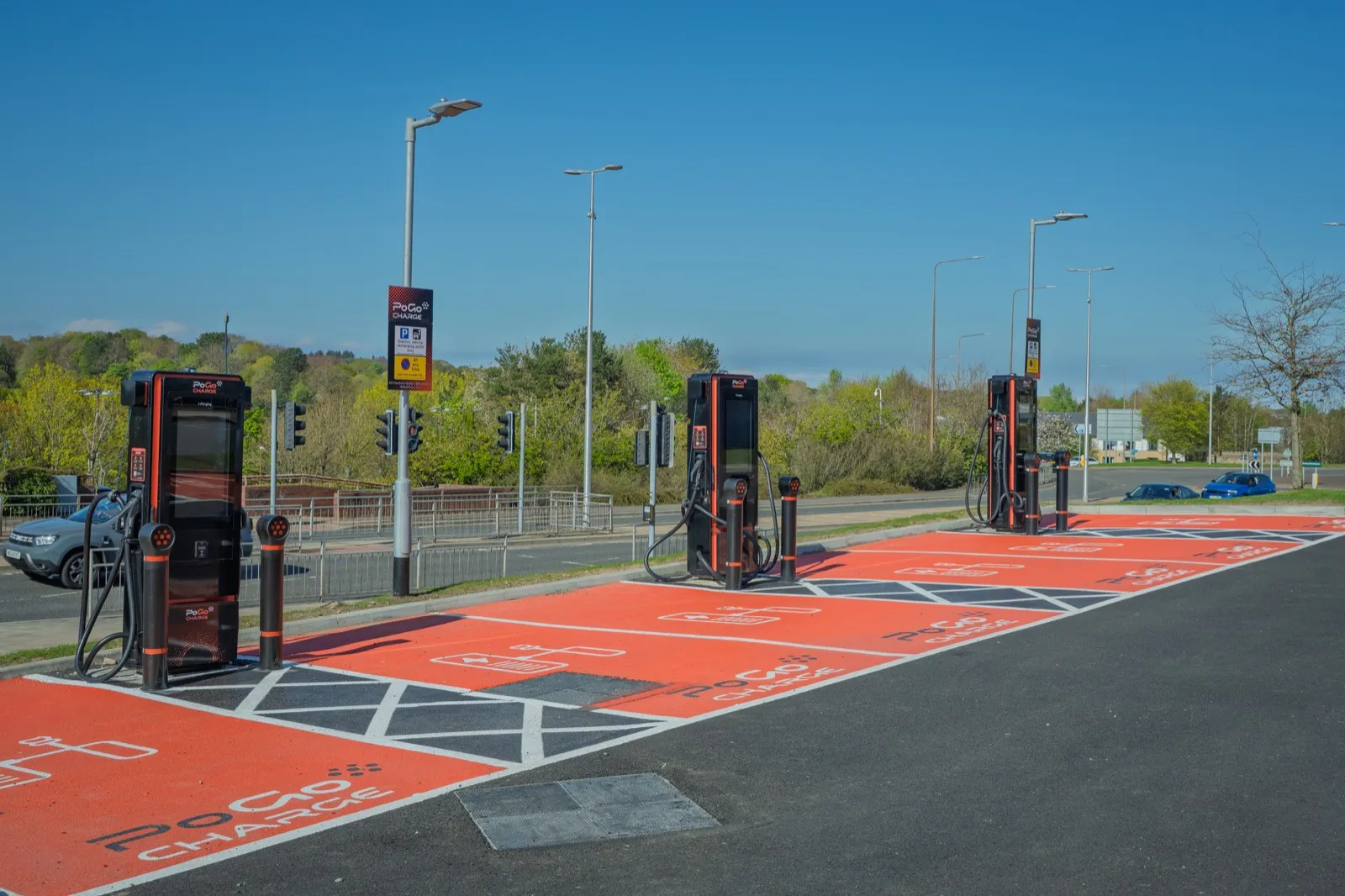
EV charging demand in the UK isn't slowing down. Charge point operators, fleet depot managers, retail site owners and logistics hubs are all accelerating their rollouts, but there's one factor quietly stalling projects across the country: the grid. Installing the chargers is usually the straightforward part; securing the connection to run them is where timelines start to slip.
How can you fund fleet charging?
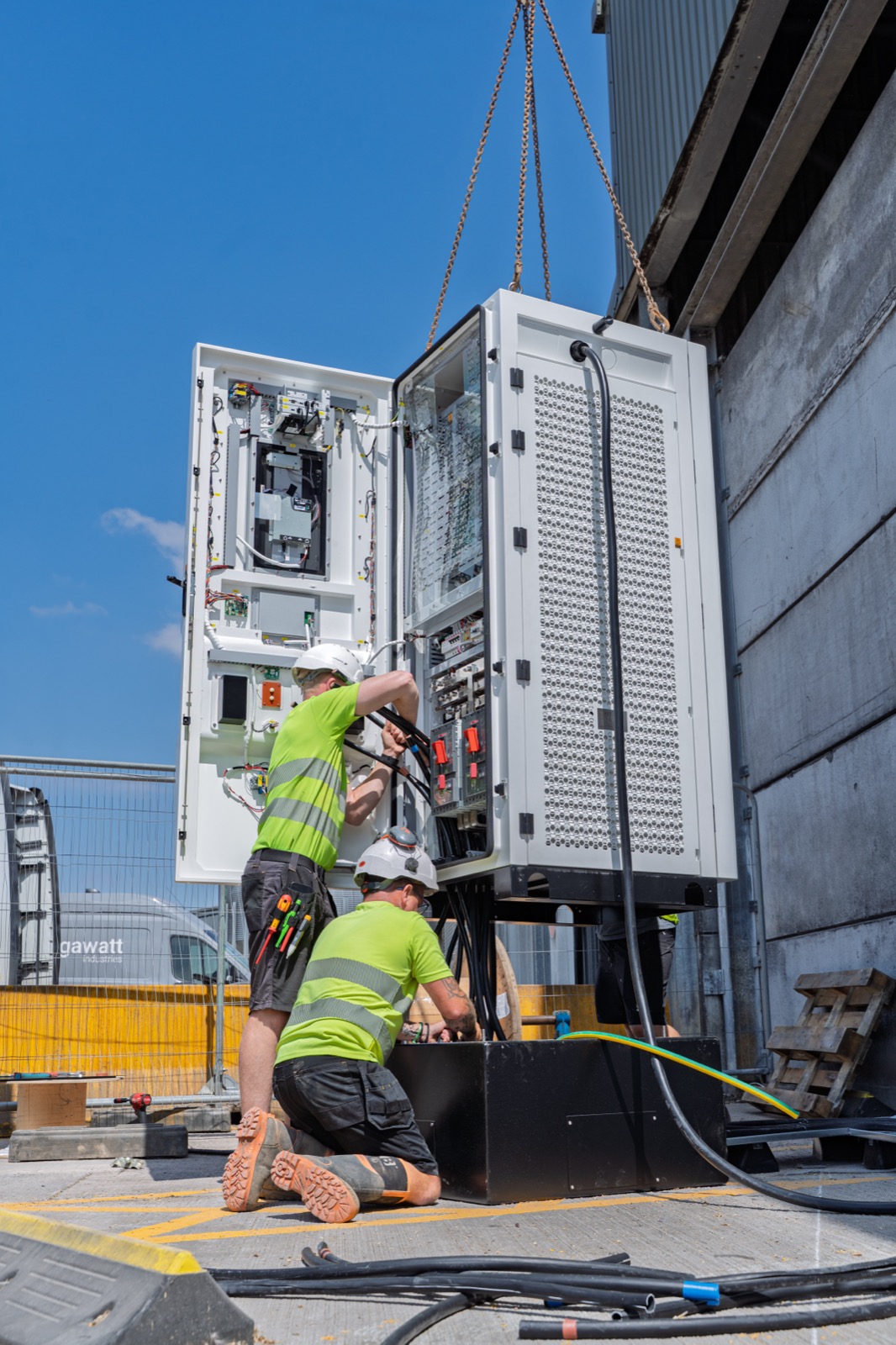
Installing fleet charging is a capital investment. But that doesn't mean the whole project has to come from this year's capital budget. Start with the infrastructure your fleet actually needs, then establish which funding fits.

Welcome to Gigawatt, Emma Chetwynd Jarvis
Spend five minutes with Emma Chetwynd Jarvis and two things become obvious very quickly: she moves fast, and she cares deeply. Meet our Development Director, endurance machine, and all-round force of nature.
Already have chargers? Here's what to check before you add more
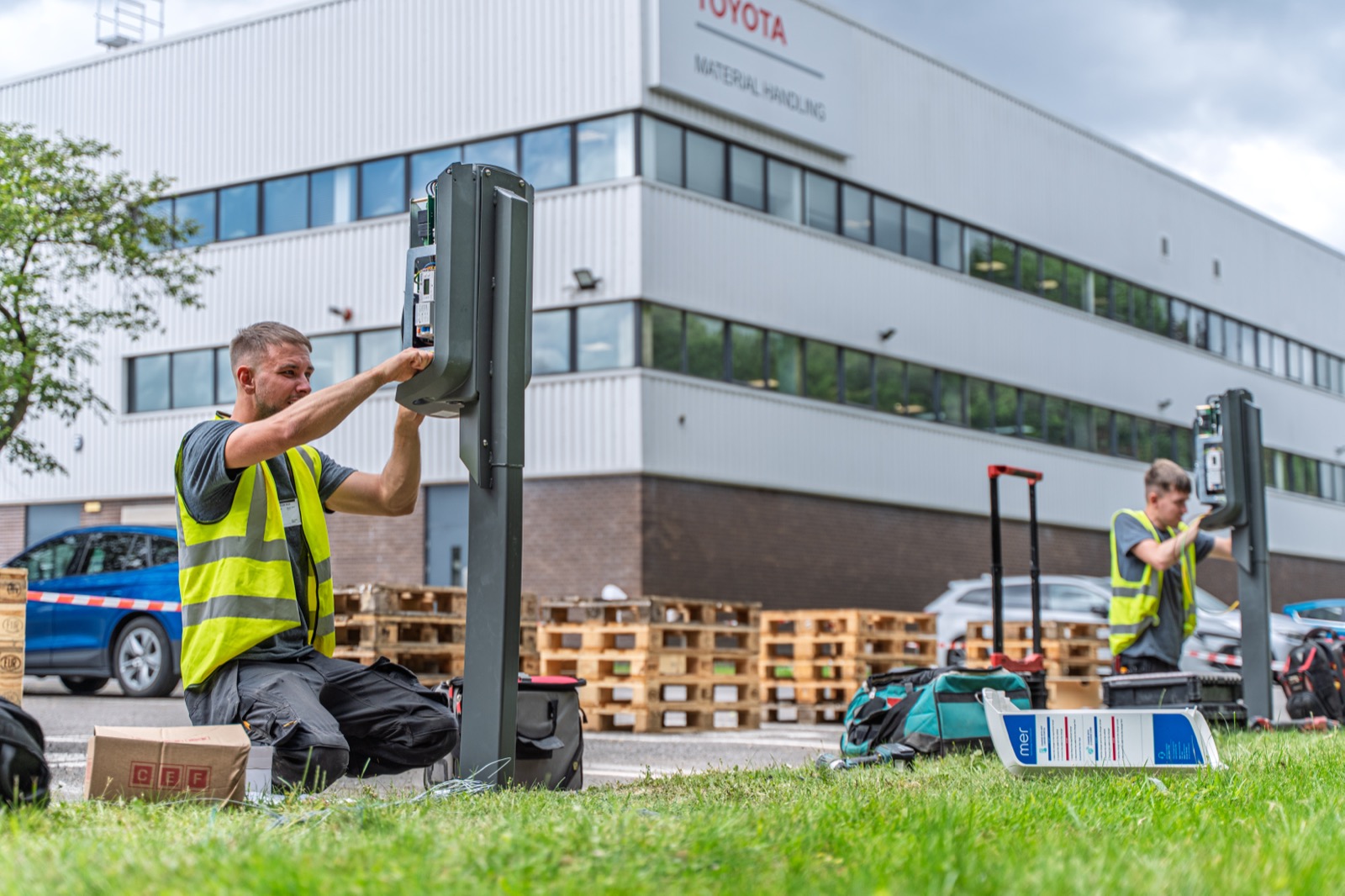
Your first five electric vans were easy. Five chargers went in, the power was available, everything worked. Now you are planning another 20. That is often where fleet charging becomes a different project.

From the Tools to Electrical Operations Manager: Ash's Story
At Gigawatt, we care about more than filling roles. We care about building careers, giving people the opportunity to sharpen their skills, take on real responsibility, and grow within their field.
The 7kW Overnight Myth: Is Slow Charging Really Enough for Your EV Fleet?
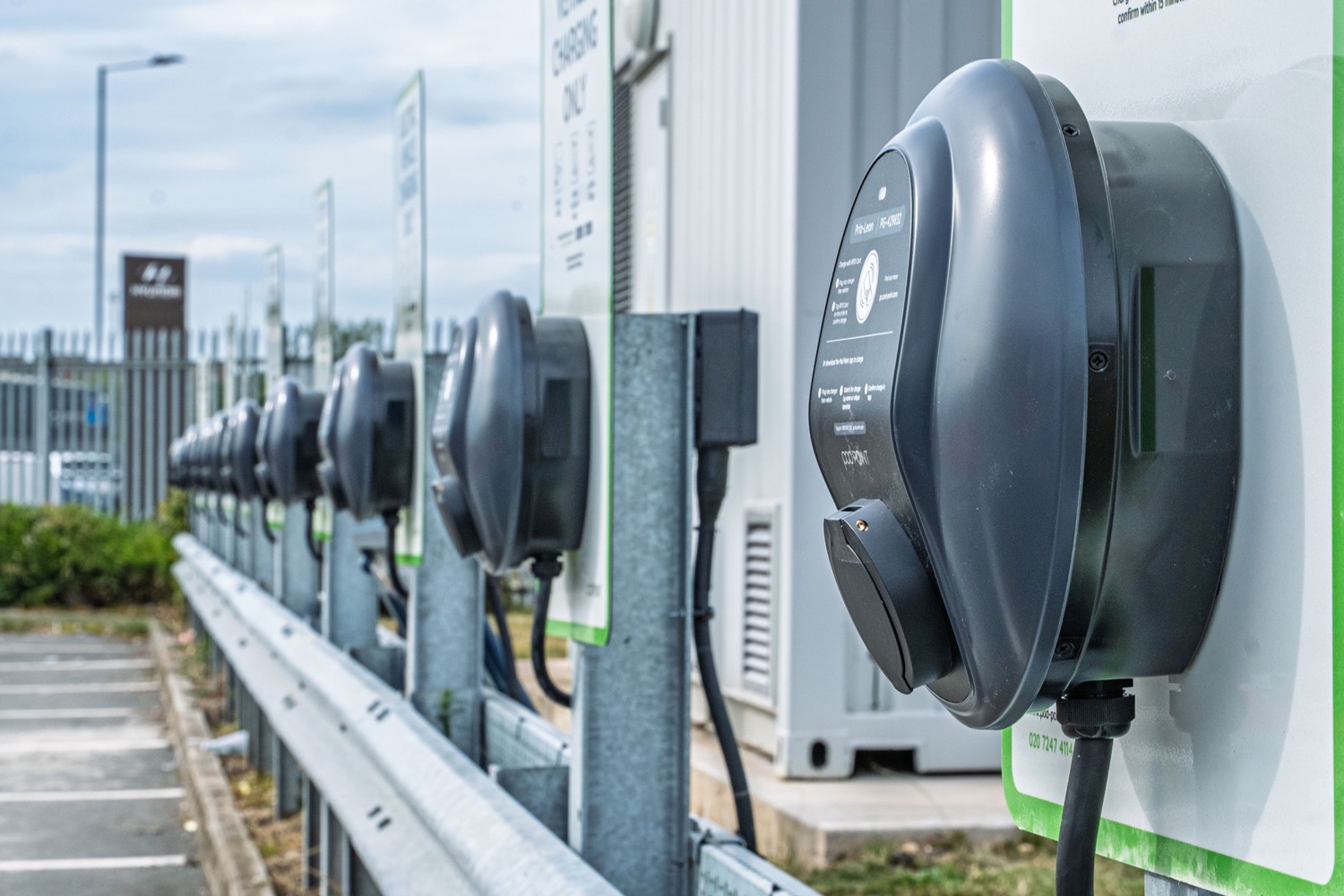
"They'll just charge overnight." It is the most common assumption when a business starts planning an electric fleet, and on paper it makes sense. Add multiple vehicles, fixed departure times and a limited site supply, and the maths changes.
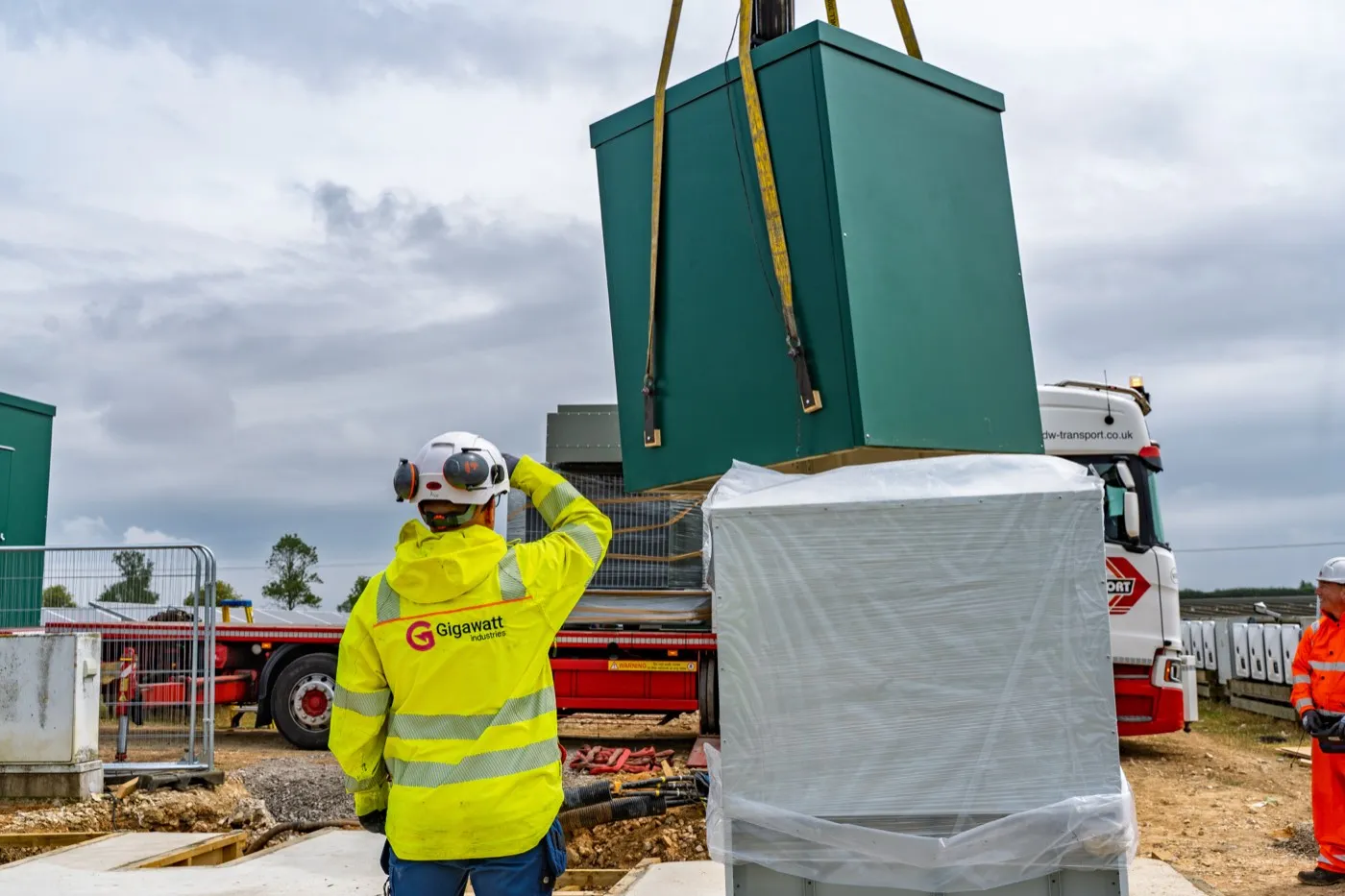
ICP: Take Control of Your Connection
An Independent Connection Provider (ICP) helps design and deliver the parts of a grid connection that can be delivered competitively, working alongside the Distribution Network Operator (DNO) to get a site safely energised. Grid connections are rarely the bit you can "sort later", they shape the entire programme.

Get That Electric Feeling: Why This Campaign Matters, What Comes Next
The UK government’s new "Get that electric feeling" campaign sends a clear signal: now is the time to go electric. Backed by the Electric Car Grant, it highlights how drivers can save up to £3,750 on a new EV and around £1,400 a year on running costs, pointing to a rapidly expanding public charging network.
Stay in the loop
Be the first to know about our insights and industry trends
Practical explainers on how grid connections work, why they shape the whole programme, and what UK EV policy means for your project, straight from the team delivering them.
Go deeper

