Fleet Charging
AC or DC?Choosing the right chargers for a van depot
When you're planning charging for an electric fleet, it's easy to assume the fastest charger must be the best charger.
But if your vans return to the depot at 6pm and don't leave again until 6am, paying to charge them in 45 minutes may solve a problem you don't actually have.
For most back-to-base fleets, the better question isn't "what's the fastest charger we can install?" It's "how much energy do our vans need, and how long do we have to deliver it?" That starts with the power your site already has.
Answer that first and the choice between AC and DC charging becomes much easier.
What's the difference between AC and DC charging?
In simple terms, AC charging is generally slower and is well suited to vehicles that will be parked for several hours. DC charging delivers energy much faster, making it useful when vehicles need to get back on the road quickly.
Both have a place in fleet charging. The trick is matching the charger to the operation.

When does AC charging make sense?
For many back-to-base van fleets, AC is the natural starting point.
Imagine a van finishes its route at 6pm and isn't needed again until 6am. That's a 12-hour charging window.
For a medium electric van that needs roughly 55kWh to go from empty to 80%, that is about 8 hours on 7kW AC or 5 hours on 11kW AC.
And in normal operation, the van won't necessarily arrive with an empty battery, so it may need considerably less energy than that each night.
This is why long overnight dwell times can make relatively straightforward AC charging perfectly adequate.
A bigger charger won't necessarily charge your van faster
There's another detail that's easily missed. The vehicle itself limits how quickly it can accept AC power.
The medium electric van used in our example has a maximum AC charging rate of around 11kW. Connect it to an 11kW charger and it can charge at around 11kW.
Connect the same van to a 22kW AC charger and it won't suddenly charge twice as quickly. The vehicle can still only accept around 11kW.
So paying for a higher-powered charger doesn't automatically buy you a faster charge.
This is one reason charger selection should come after you've looked at the vehicles you're actually going to operate.
When does DC charging make sense?
DC rapid charging becomes much more useful when time is the constraint. That might include fleets where:
- Vehicles operate multiple shifts.
- Turnaround times are short.
- Vans need substantial additional energy during the working day.
On the same 55kWh basis, a 0 to 80% charge takes roughly 75 to 90 minutes on a 50kW DC charger, and around 45 minutes on 100kW, once the charge rate tapers towards the top of the battery.
That's a very different proposition from overnight AC charging.
But that speed comes with trade-offs. DC equipment costs considerably more and places a much greater demand on your site's power supply, which is where fleet charging projects tend to stall.
If your vans are going to sit in the yard all night anyway, you need a good operational reason to pay for that additional speed.
Do you need one type or both?
Potentially both.
A fleet could use AC charging for the majority of overnight charging while retaining faster DC charging for vehicles with different duty cycles or operational requirements.
But don't install DC simply as an expensive insurance policy. Start with:
- How far do the vans travel?
- How much energy will they typically use?
- When do they return?
- How long are they parked?
- When must they be ready again?
Those answers tell you how quickly the energy needs to be delivered. Only then should you decide which chargers can do the job.
Because when it comes to fleet charging, the right charger isn't the fastest one. It's the one that gets the van ready when you need it.
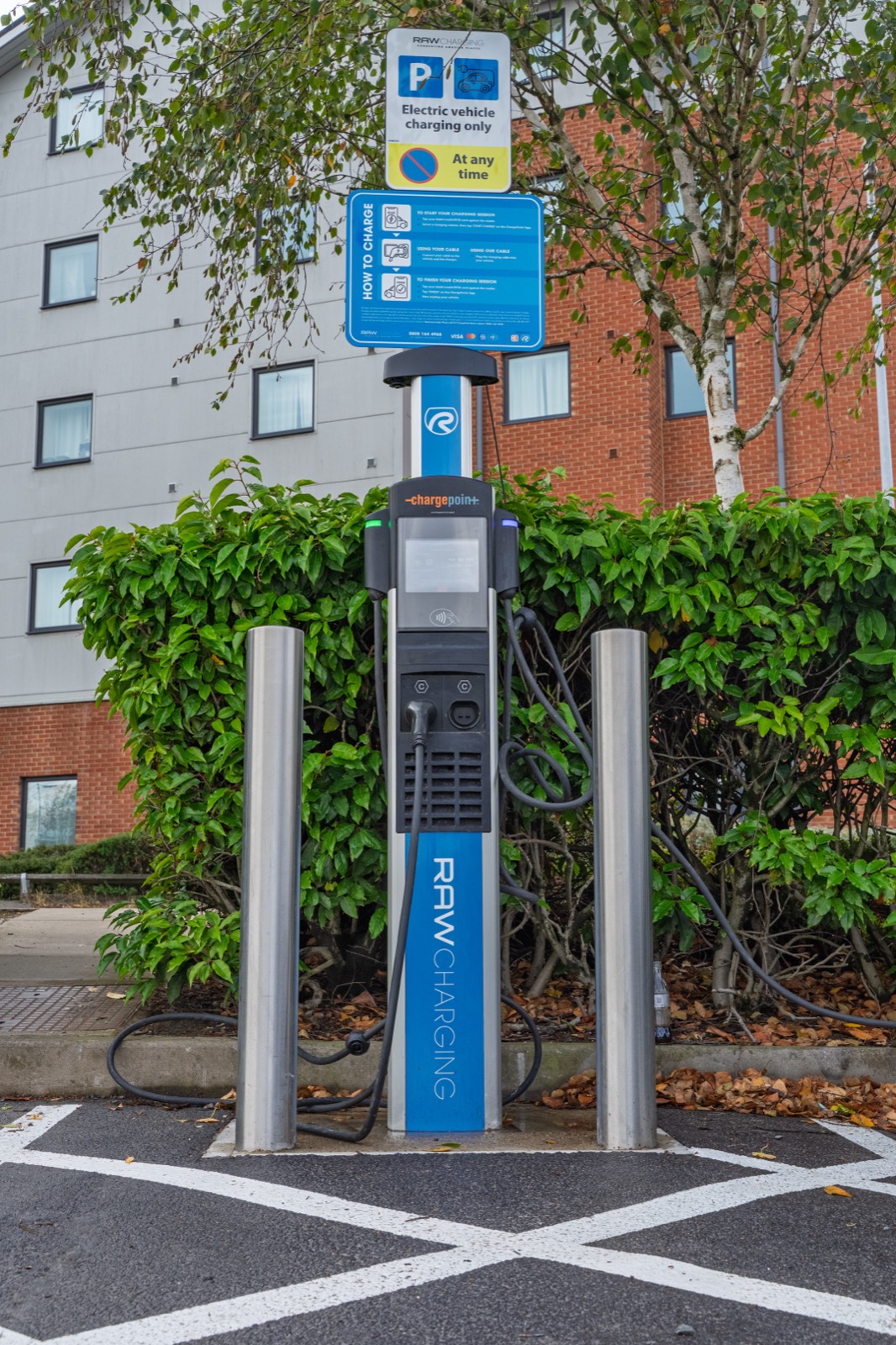
Not sure what charging setup your fleet actually needs?
Choosing between AC and DC is only one part of the charging plan. Where the vans charge matters as much: depot charging beats the public network for most back-to-base fleets. If you already have a fleet and depot in mind, book a free site charging assessment and our team will come back with what your site can support, the power you will need, a realistic programme and a ballpark cost.
Fleet charging
Want to know more?
See what your fleet could save, and what your site can support.
Fleet charging