Fleet Charging
Already have chargers? Here’s what to check before you add more
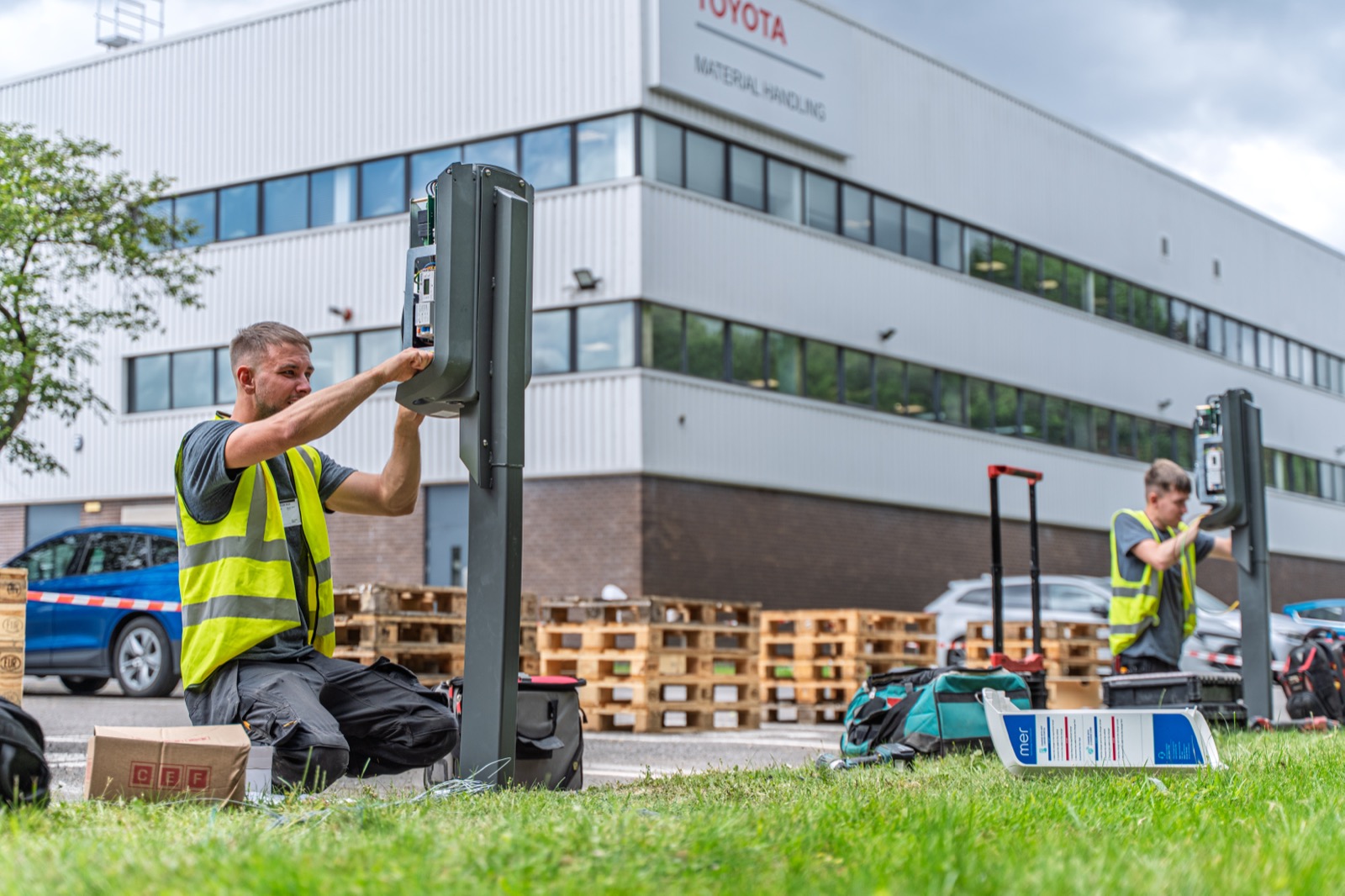
Your first five electric vans were easy. Five chargers went in. The power was available. Everything worked.
Now you're planning another 20. That's often where fleet charging becomes a different project, because adding the next group of chargers isn't necessarily as simple as repeating what you did the first time.
The original installation may have used some of your site’s spare power. Your electrical infrastructure may not have been designed for a much larger fleet. And the charging pattern that worked for five vehicles may not work for 25.
So before adding more hardware, reassess what you have and where the fleet is going next.
Start with the chargers you've already got
Before deciding what to add, look at how the existing infrastructure is actually being used:
- How often are the chargers occupied?
- How much energy are they delivering?
- When are vehicles plugging in, and how long are they staying connected?
- Are there periods when chargers sit unused?
- Are the vehicles consistently ready when they're needed?
You may discover that you need more chargers. But you may also discover opportunities to use the existing infrastructure more effectively.
How much spare power is left?
Your first installation may have used some of the site’s available headroom, the spare power between what the site can draw and what the rest of the operation is already using.
So the fact that your site comfortably supported the first phase does not mean it can automatically support the next one.
This is where an updated load study becomes useful. It shows how much power the site is using now, including the existing EV chargers, and how much capacity remains during the hours you want the expanded fleet to charge.
Could load management help?
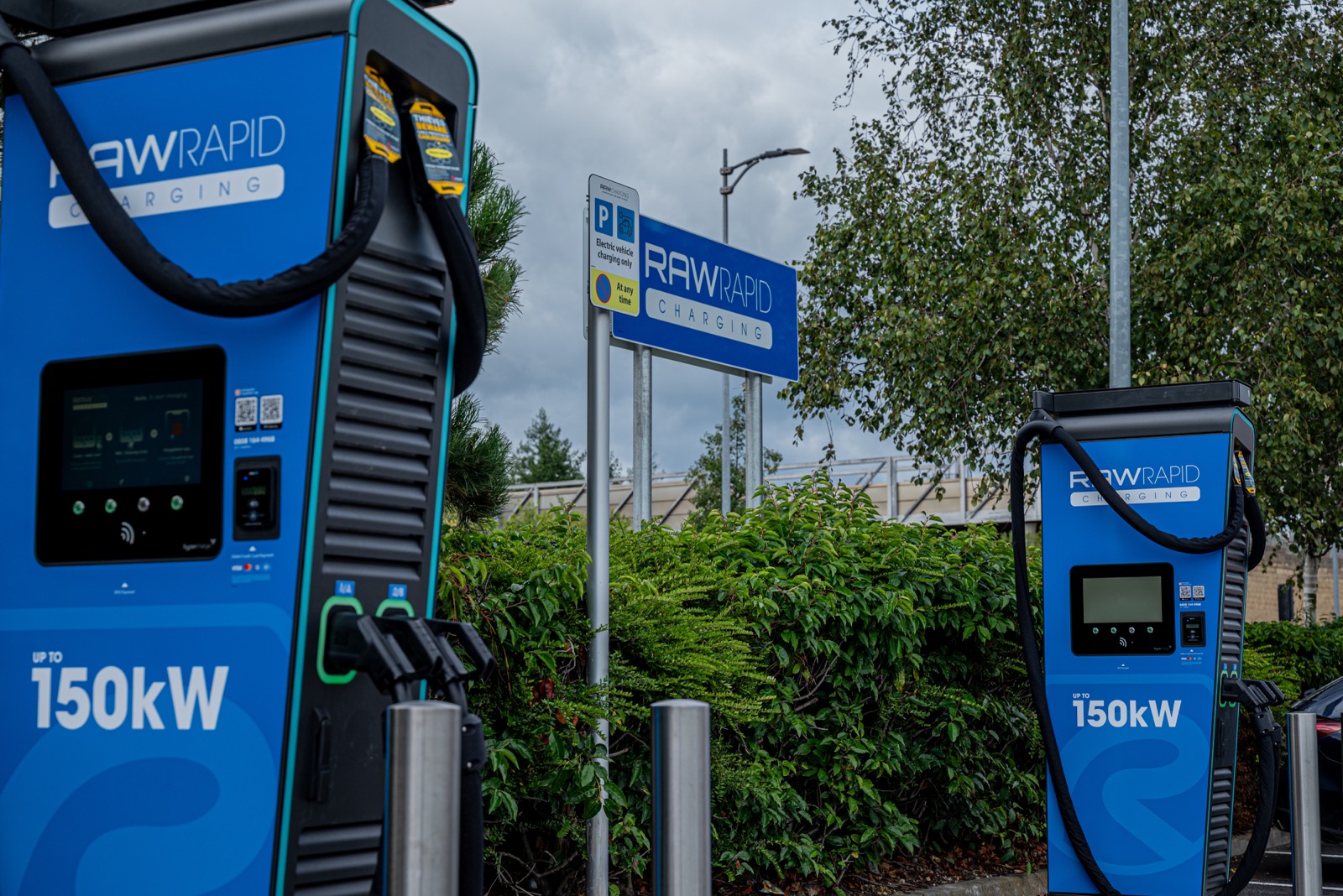
If more vehicles are competing for the same available power, you don't necessarily need every charger running at full output simultaneously. Load management can share the available power between vehicles.
For a return-to-base fleet with a long overnight charging window, that can sometimes allow more vehicles to charge without immediately increasing the site’s power supply.
But there's a limit. If the fleet needs more energy during the available charging window than the site can physically deliver, additional power may genuinely be required.
Will the existing infrastructure scale?
Don't only look at the chargers. Look behind them:
- Can the existing electrical infrastructure support the additional load?
- What about the switchgear and cable routes?
- Was spare capacity built into the first installation?
- Is the software capable of managing a larger charging estate?
- Physically, where will the additional vehicles charge?
The cheapest time to think about future expansion is usually when you're designing the earlier phases. But even if that didn't happen, understanding the constraints now gives you a chance to plan the next phase properly.
Think about the next fleet, not the next charger
If you have 10 electric vans today and need another 10 next year, don't design solely around 20. What does the fleet look like in three years? Or five?
You don't necessarily need to install everything now. In fact, phased delivery can be a sensible way to align investment with vehicle replacement. But you should understand the end state. That allows you to make today's decisions without accidentally making tomorrow's expansion more expensive.
When does an expansion become a power project?
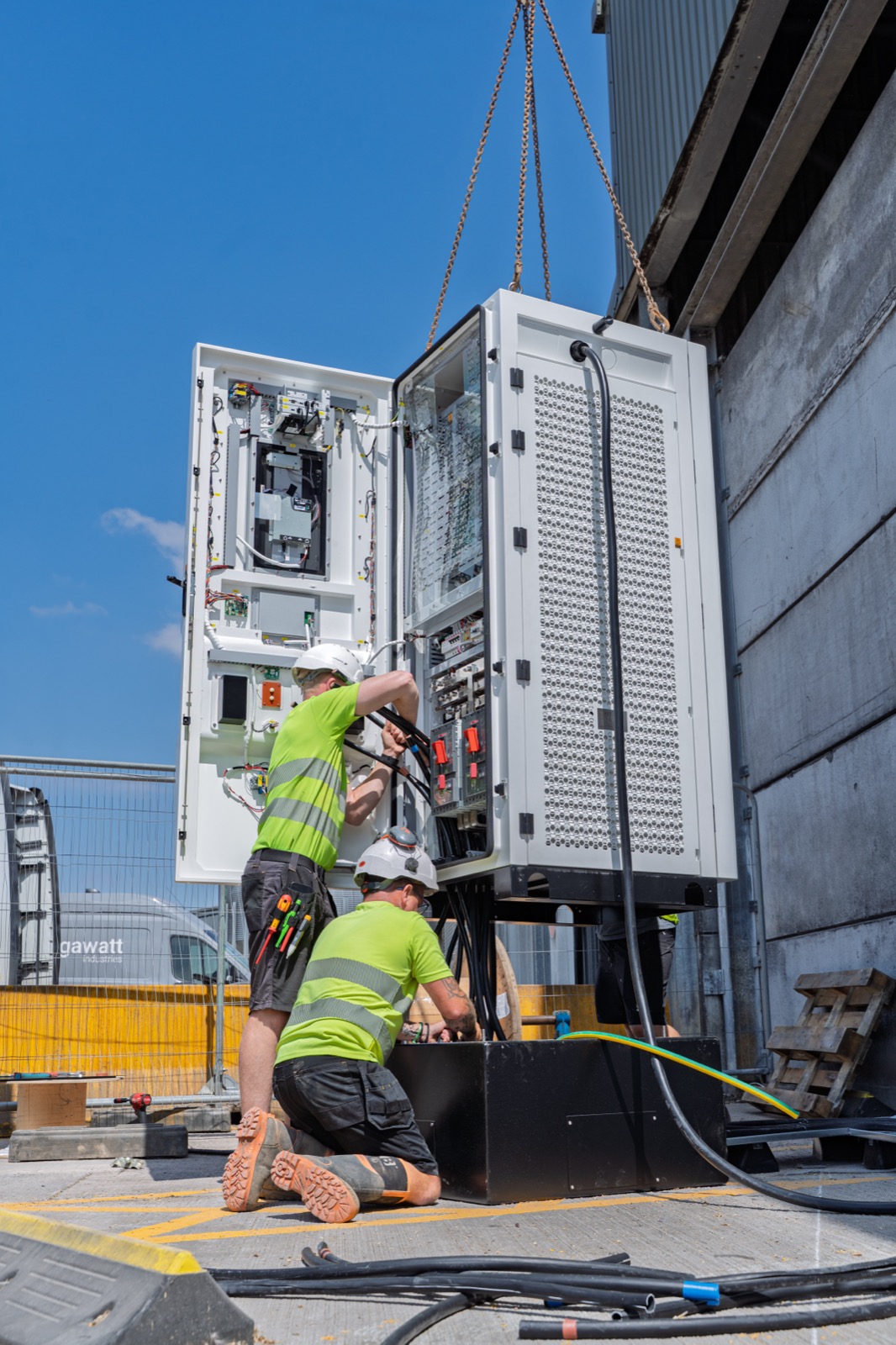
Eventually, you may reach the limit of what the existing site can support. At that point, adding chargers isn't really the difficult part. Getting enough power to run them is.
That could mean increasing the existing connection, upgrading equipment or bringing a larger new supply to the site. And those works can affect both cost and programme.
Which is why, before ordering the next set of chargers, it is worth answering one question: what can this depot ultimately support? Once you know that, you can build towards it in sensible stages.
Planning the next phase of your depot?
If you are concerned that power could be the constraint, book a free site charging assessment and our team will come back with what your site can support, the power you will need, a realistic programme and a ballpark cost.
Fleet charging
Want to know more?
See what your fleet could save, and what your site can support.
Fleet charging