Fleet Charging
How many EVs can your depot charge today?

Usually more than you would expect, because the answer depends on the spare power your site has while the vans are parked and how much energy they actually need before the next shift, not on how many chargers you install.
When fleets start planning for electric vans, there's an understandable assumption that more vehicles mean more chargers, and more chargers mean more power.
So if you're planning 20 electric vans, perhaps you need 20 chargers and enough power to run all 20 at full speed.
Not necessarily.
For a back-to-base fleet, the number of EVs your depot can charge depends on much more than the number of chargers you install.
The real question is: how much power does your site have available when the vans need to charge, and how much energy do those vans actually need before their next shift?
Get those two things right and your existing site may be able to support more electric vehicles than you think.
Start with the power you have already got
Every site has a limit on the amount of power it can draw from the electricity network. But that does not mean you are using all of it.
The difference between what your site can draw and what it's actually using is your spare capacity, or headroom.
In simple terms: what your site can draw, minus what the rest of the site is using, is the spare power potentially available for charging.
For fleet depots, there's another important factor. That headroom changes throughout the day.
Your site might be at its busiest while the vans are out working. Offices, machinery, refrigeration, lighting or other equipment may all be drawing power. But when the vans return in the evening, some of that demand may fall away.
And that's exactly when the vehicles are ready to charge.
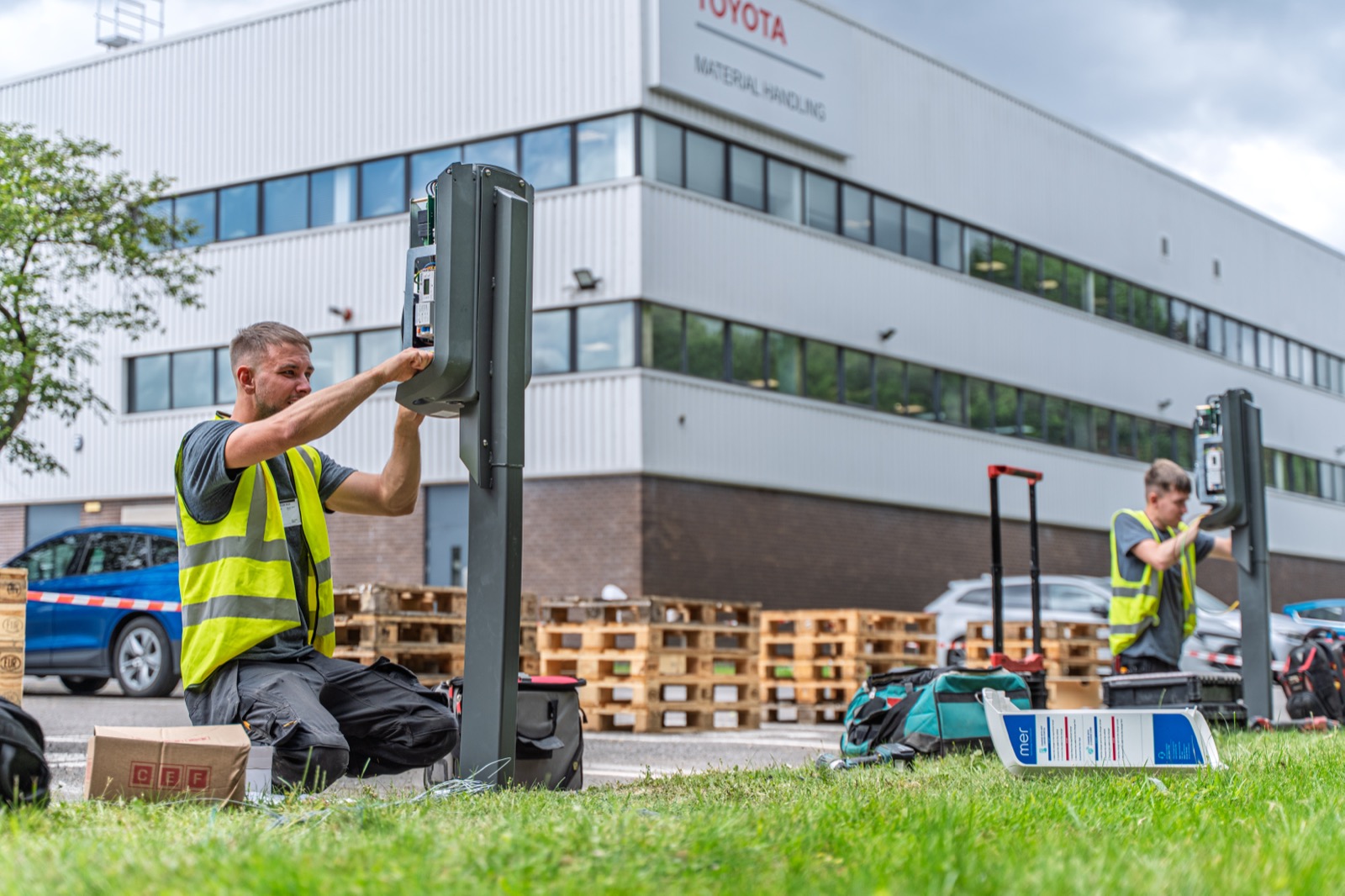
Overnight charging changes the calculation
Imagine your vans return to the depot at 6pm and don't leave again until 6am. You have 12 hours to put the energy they've used during the day back into their batteries.
They don't all need to start charging at maximum speed at 6.01pm. And they won't necessarily arrive with empty batteries.
A van that has used part of its battery during the day only needs to replace the energy it has used before its next shift.
That is why simply asking "how many chargers can our power supply handle?" does not give you the full answer. You need to look at the fleet as well:
- How far are the vans travelling?
- How much energy are they using?
- When do they return?
- How long are they parked?
- What time do they need to be ready again?
The longer your charging window, the more flexibility you have.
20 vans don't necessarily need 20 chargers running flat out
This is where load management can make a big difference. Instead of allowing every charger to demand its maximum power at the same time, load management shares the power available at the site across the vehicles. It also changes which chargers you need: a long overnight window often makes slower AC charging perfectly adequate.
A more advanced form, dynamic load management, can also respond to what the rest of the site is doing. If site demand increases, charging can temporarily reduce. When demand falls, more power becomes available to the vans.
The drivers don't have to manage any of this. They plug the vehicles in and the system controls how the available power is distributed.
The objective isn't to charge every van as fast as possible. It's to have every van ready when it needs to leave.
That distinction can have a significant impact on how much infrastructure, and potentially how much additional power, your depot actually needs.
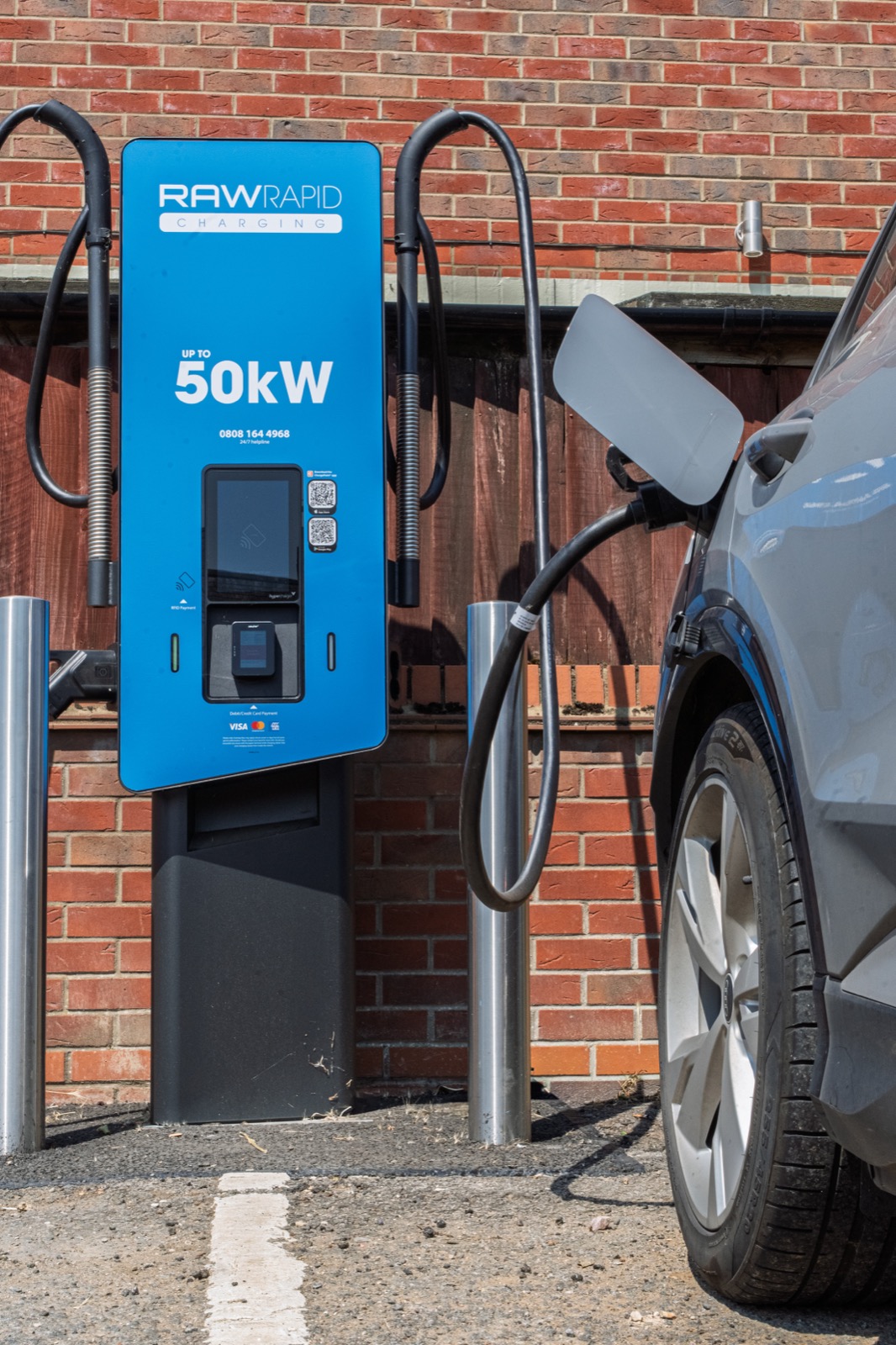
So, do you need a power upgrade?
Maybe. But don't assume you do.
For some depots, the existing overnight headroom will be enough. For others, intelligent load management can make the available power work harder. Some fleets can phase their rollout, adding vehicles and power over time rather than building everything for the final fleet on day one.
And some sites will genuinely need more capacity or a new power connection.
The important thing is finding out which type of site you have before you commit to the charging infrastructure, because additional power can have a major impact on both the cost and programme of a fleet charging project.
How do you find out what your depot can support?
You need to bring two sets of information together:
- Your fleet: how many vehicles you're electrifying, how much energy they need and how long they're available to charge.
- Your site: how much power you can draw and how much spare capacity you actually have during the charging window.
A load study can measure how your site's electricity demand changes across the day and night, giving you a real picture of the headroom available.
From there, you can start answering the question that matters: how many electric vans can we reliably have ready for work tomorrow morning?
And that's where the conversation becomes specific to your depot.
Want to understand the power behind fleet charging?
If you already have a site and fleet in mind, book a free site charging assessment and our team will come back with what your site can support, the power you will need, a realistic programme and a ballpark cost. And if the vans do charge overnight, 7kW is not automatically enough.
Fleet charging
Want to know more?
See what your fleet could save, and what your site can support.
Fleet charging