Fleet Charging
Can your drivers actually charge their electric vans at home?
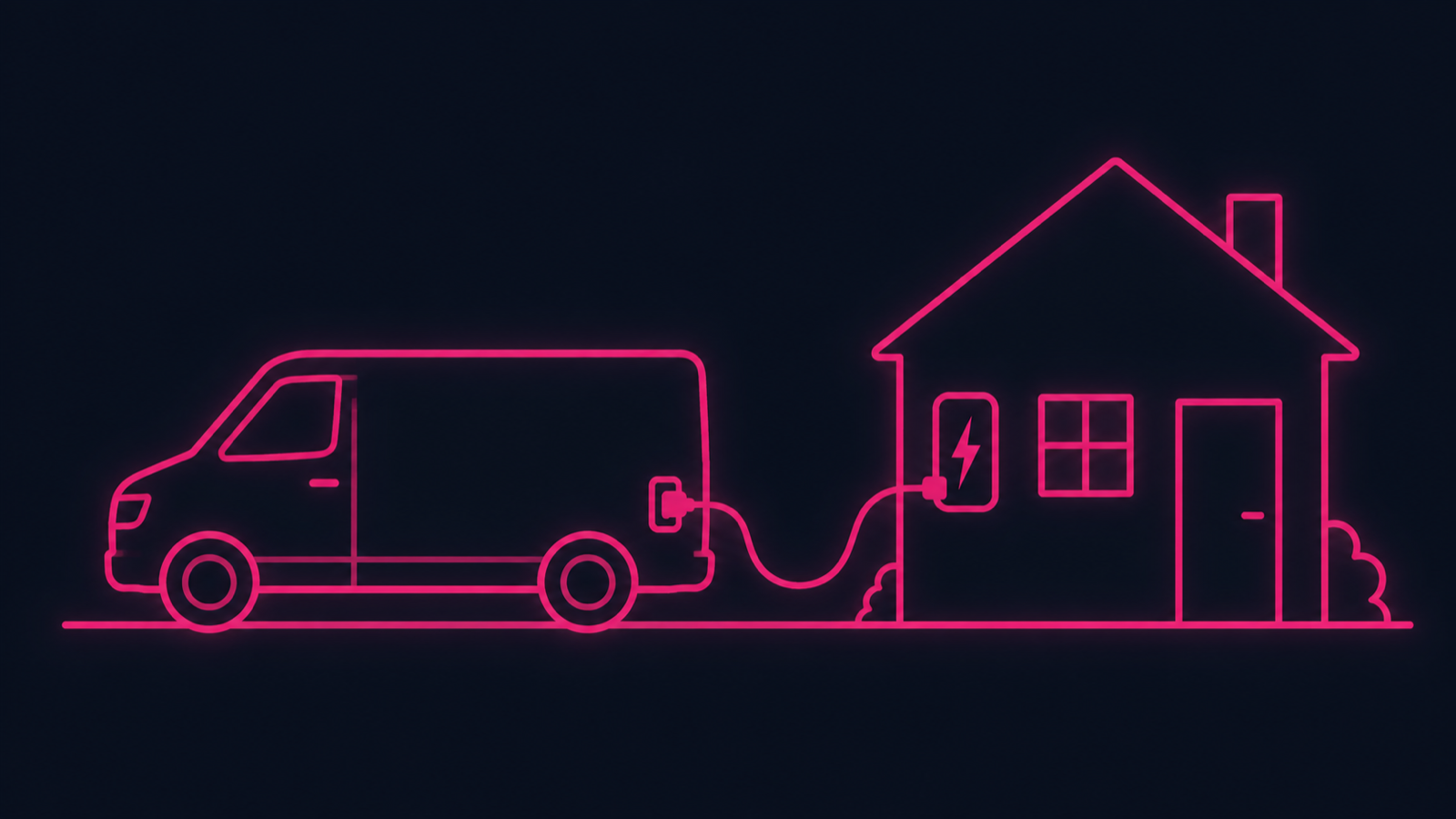
"The drivers can just charge the vans at home."
It sounds like a simple solution. No depot charging infrastructure. The van goes home with the driver, gets plugged in overnight and returns to work ready for the next day.
And for some fleets, that's exactly how it can work.
But before building your charging strategy around drivers' homes, there's a much more basic question to answer: can your drivers actually charge there?
Start with parking, not the charger
Home charging generally requires access to suitable off-street parking. And that immediately rules it out for a significant number of people.
Around a third of households have no off-street parking: the English Housing Survey puts it at about 32% in England, and the RAC Foundation nearer 35% across the UK. A large proportion of drivers may have no driveway or other suitable place for a home charger.
So before assuming home charging will work across the fleet, establish how many drivers genuinely have access to it. You may find the answer varies considerably across the workforce.
Does the same driver take the same van home?
There's another operational question. Home charging works most naturally where a vehicle is allocated to an individual driver. That driver takes the same van home, plugs it into their charger and brings it back for the next shift.
But many operational fleets don't work like that. Vehicles may be pooled, drivers may change, shifts may vary and the same van might not go home with the same person each evening.
In those situations, building the primary charging strategy around individual drivers' homes becomes much more complicated.
Who pays for the electricity?
If an employee is using their domestic electricity to charge a company vehicle, you'll also need a way of handling reimbursement. That creates another process to consider:
- How will the energy used by the van be recorded?
- How will the driver be reimbursed?
- Who manages that administration?
None of these questions makes home charging a bad option. They simply mean it needs to be considered as part of the fleet operation rather than treated as "plug it in at home and the problem is solved".
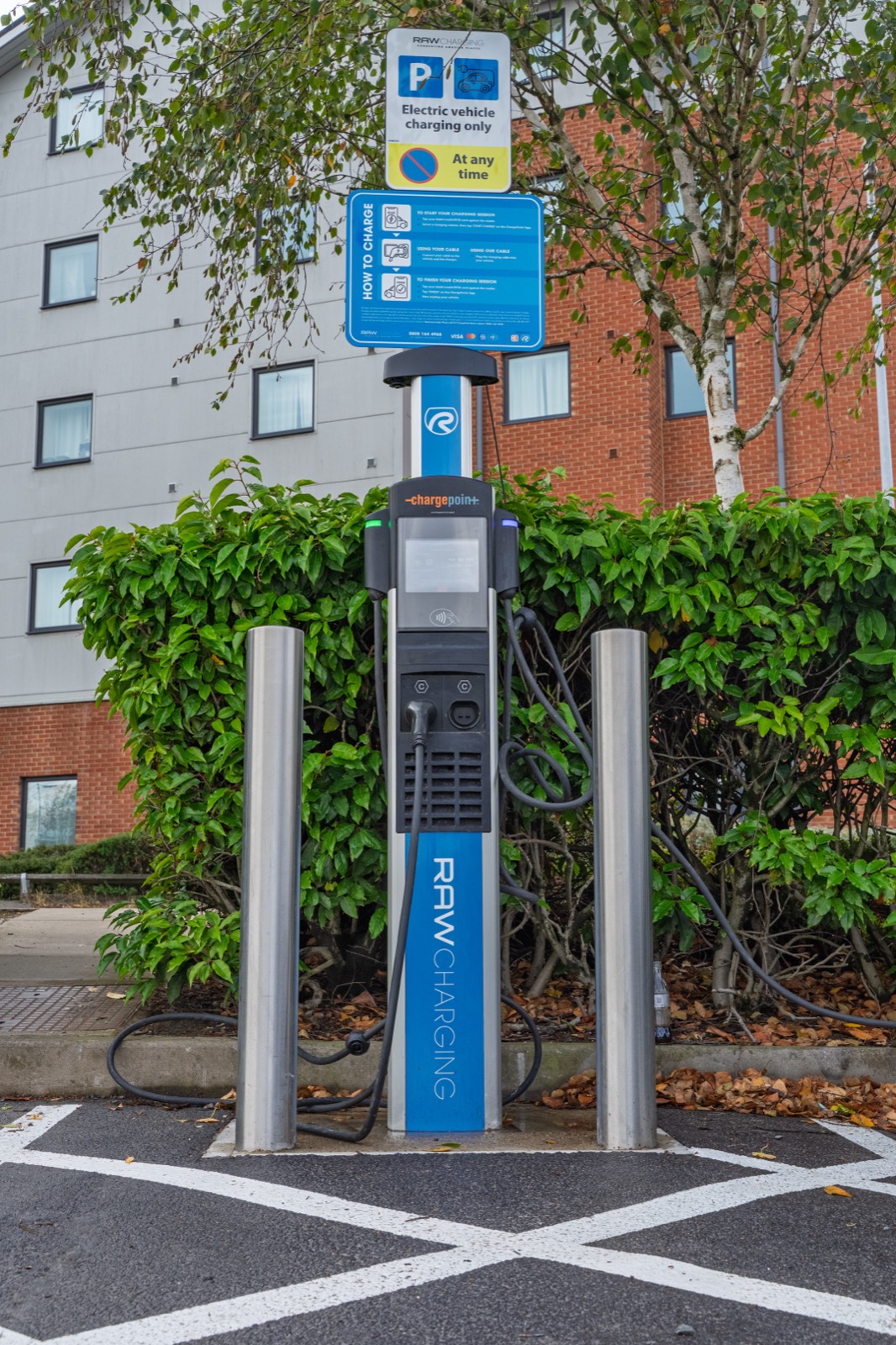
Where does home charging work particularly well?
There are plenty of situations where it can make sense. For example:
- Home-based drivers.
- Individually allocated vans.
- Drivers with reliable off-street parking.
- Company-car or perk fleets.
For the right driver and vehicle, overnight home charging can be convenient and practical. The difficulty comes when one solution is assumed to work for every vehicle and driver.
Could you use more than one charging model?
Absolutely. Your charging strategy doesn't have to be 100% depot, 100% home or 100% public.
Some vehicles might charge primarily at the depot. Others could charge at drivers’ homes. Public charging could provide additional flexibility when vehicles travel further afield.
The right mix depends on how the fleet actually operates. That is why we recommend starting with the vehicles, routes, drivers and dwell time before choosing the charging infrastructure.
So where should your fleet charge?
If you are already looking at charging for a particular site, book a free site charging assessment and our team will come back with what that site can support, the power you will need, a realistic programme and a ballpark cost.
Fleet charging
Want to know more?
See what your fleet could save, and what your site can support.
Fleet charging