Fleet Charging
The 7kW Overnight Myth: Is Slow Charging Really Enough for Your EV Fleet?
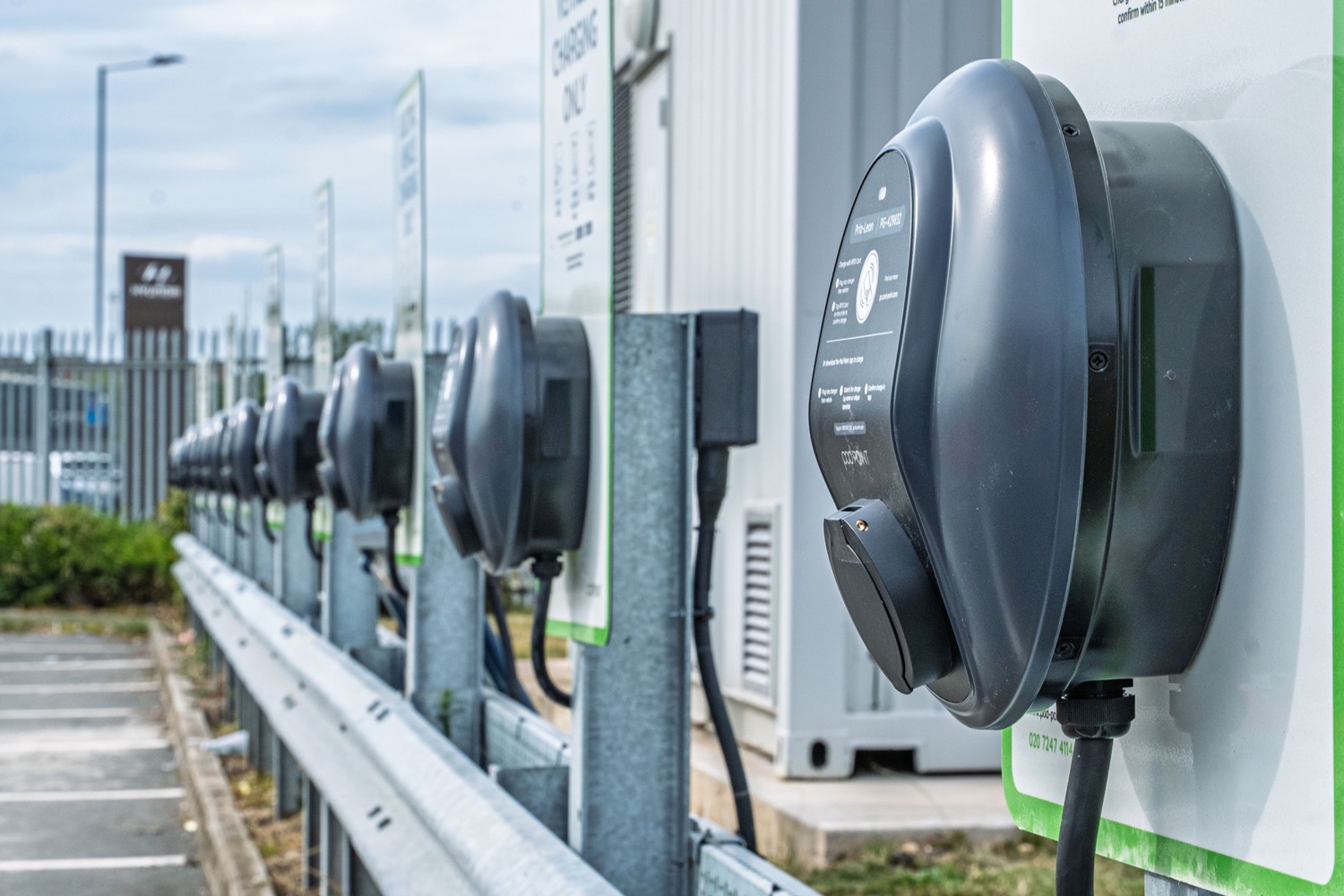
"They'll just charge overnight."
It is one of the most common assumptions when businesses start planning the move to an electric fleet.
And on paper, it makes sense. A 7kW AC charger can add a useful amount of range over several hours, which makes overnight charging perfectly practical for some vehicles and some operations.
But here's the problem. An EV fleet isn't just a collection of cars plugged in overnight. The moment you have multiple vehicles, fixed departure times, high daily mileage and limited charging windows, the maths starts to change.
The question isn't simply "can a 7kW charger charge an EV overnight?" It can. The better question is "can your entire fleet get the energy it needs, within the time available, using the power available at your site?"
And that is where infrastructure becomes critical.
The overnight charging assumption
Imagine a fleet of 20 electric vans. Each vehicle returns to the depot at around 6pm and leaves again at 6am. That gives you a 12-hour charging window, which sounds like plenty of time.
But what happens when:
- Several vehicles arrive back with low battery levels?
- Some vehicles need considerably more energy than others?
- Vehicles are dispatched at different times?
- Drivers return later than expected?
- Your fleet grows from 20 vehicles to 40?
- You need to accommodate future electric HGVs or higher-mileage vehicles?
- Other electrical loads are already competing for capacity?
Suddenly, "just charge them overnight" becomes a lot more complicated.
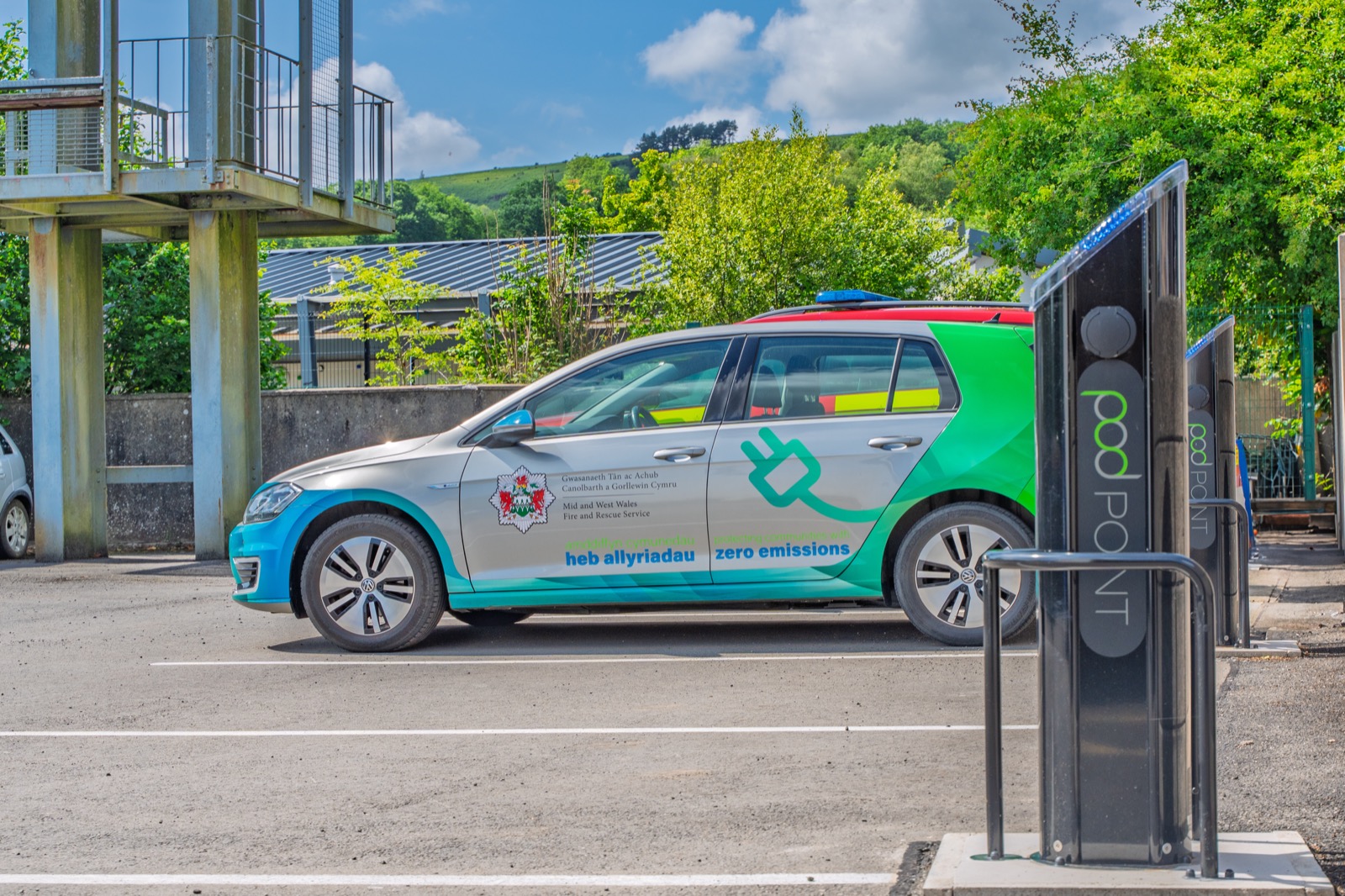
7kW isn't necessarily the problem
The issue isn't that 7kW AC charging is unsuitable for fleets. In the right application, it can be an excellent solution. For vehicles that return to base for long periods and have relatively predictable daily mileage, overnight AC charging is a cost-effective way to keep vehicles moving.
The problem comes when 7kW is treated as the default answer before anyone has understood how the fleet actually operates.
Charging infrastructure should be designed around the fleet, not the other way around.
It's about energy, not just charger speed
A charger's power rating tells you how quickly it can deliver energy. Fleet planning needs to look at the bigger picture.
For example, a vehicle arriving at a depot with a 40kWh energy requirement could theoretically replenish that energy in around six hours on a 7kW charger, assuming ideal conditions. But multiply that across a fleet and the demand adds up quickly.
If 20 vehicles all need 40kWh overnight, that is 800kWh of energy that has to be delivered. And if they all need to charge within the same window, your site needs the electrical infrastructure to support that demand.
That is when questions around grid capacity, connection size, load management and charging strategy become just as important as the charger itself.
The real constraint might be your grid connection
This is where fleet electrification can catch businesses out.
You might have the space for 20 chargers. You might even have the budget for the chargers. But do you have enough electrical capacity to run them?
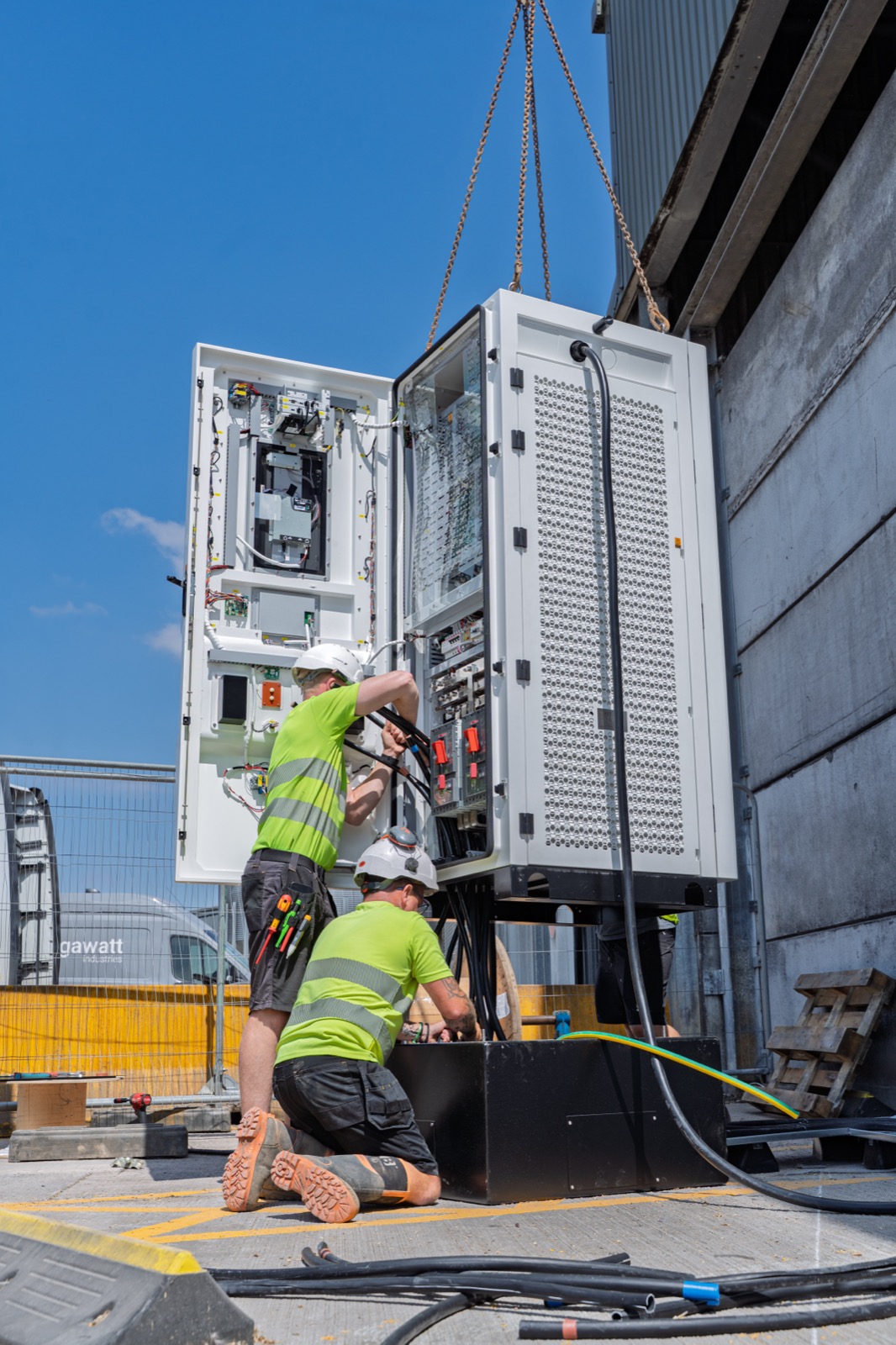
Your existing connection may have been perfectly adequate for your current depot operations. Adding a fleet of EVs changes the equation. Depending on the size and requirements of the fleet, you may need:
- A new or upgraded grid connection
- Additional electrical capacity
- HV/LV infrastructure
- A new substation
- Switchgear and feeder pillars
- New cabling and duct routes
- Load management
- A phased approach to charging
- Future capacity for fleet expansion
And these things don't necessarily happen overnight. Grid connections can take time, which is why the charging conversation should start long before the first electric vehicle arrives at the depot.
What happens when the fleet grows?
This is another part of the 7kW overnight myth that is easy to overlook.
Your fleet might work perfectly with 10 or 20 vehicles today. But what happens in three years? If your electrification strategy has been built around today's requirements alone, you could find yourself revisiting the entire infrastructure when the fleet expands.
A smarter approach is to consider where the fleet is going, not just where it is now. That could mean installing the electrical infrastructure required for your future fleet while deploying chargers in phases. It could mean designing around smart charging and load management. Or it could mean combining AC overnight charging with higher-powered DC charging for vehicles that need a faster turnaround.
There isn't one solution for every fleet.

Start with the fleet, then work backwards
Before deciding how many chargers you need, it is worth understanding how your fleet actually operates. Consider:
- How many vehicles need charging? Not just today, but in the next few years.
- How far do they travel each day? Mileage directly affects how much energy needs to be replenished.
- When do vehicles return to base? Your available charging window is critical.
- When do they leave again? A vehicle leaving at 5am has a very different requirement to one leaving at 9am.
- How much energy does each vehicle need? Different vehicles and routes create different charging demands.
- What electrical capacity does the site already have? This is where an early site assessment makes a huge difference.
- What does the grid connection need to support? The answer may be very different from simply counting the chargers you want to install.
The smartest fleet strategy isn't always the fastest charger
More power isn't automatically better. Nor is installing the maximum number of chargers you can fit into a car park.
The best solution is the one that matches vehicle utilisation, charging windows, energy demand and available electrical capacity. For some fleets, that could mean predominantly 7kW or 22kW AC charging. For others, a combination of AC and DC. And for high-utilisation fleets with short turnaround times, higher-powered charging may be essential.
The important thing is to understand the requirements before committing to the infrastructure.
Don't start with the charger. Start with the power.
At Gigawatt, we help businesses turn fleet electrification plans into the electrical infrastructure needed to make them work. From understanding your existing capacity and progressing the grid connection, through to delivering the electrical infrastructure that supports your charging strategy, we build the backbone behind fleet electrification.
Because the hardest part of electrifying a fleet isn't always the vehicles. It's making sure you have the power to keep them moving.
Planning an EV fleet? Let's talk about the infrastructure first. And because where the vans charge sets the real cost per mile, that conversation starts with the depot.
Fleet charging
Want to know more?
See what your fleet could save, and what your site can support.
Fleet charging