Fleet Charging
Why depot charging beats the public network for back-to-base fleets
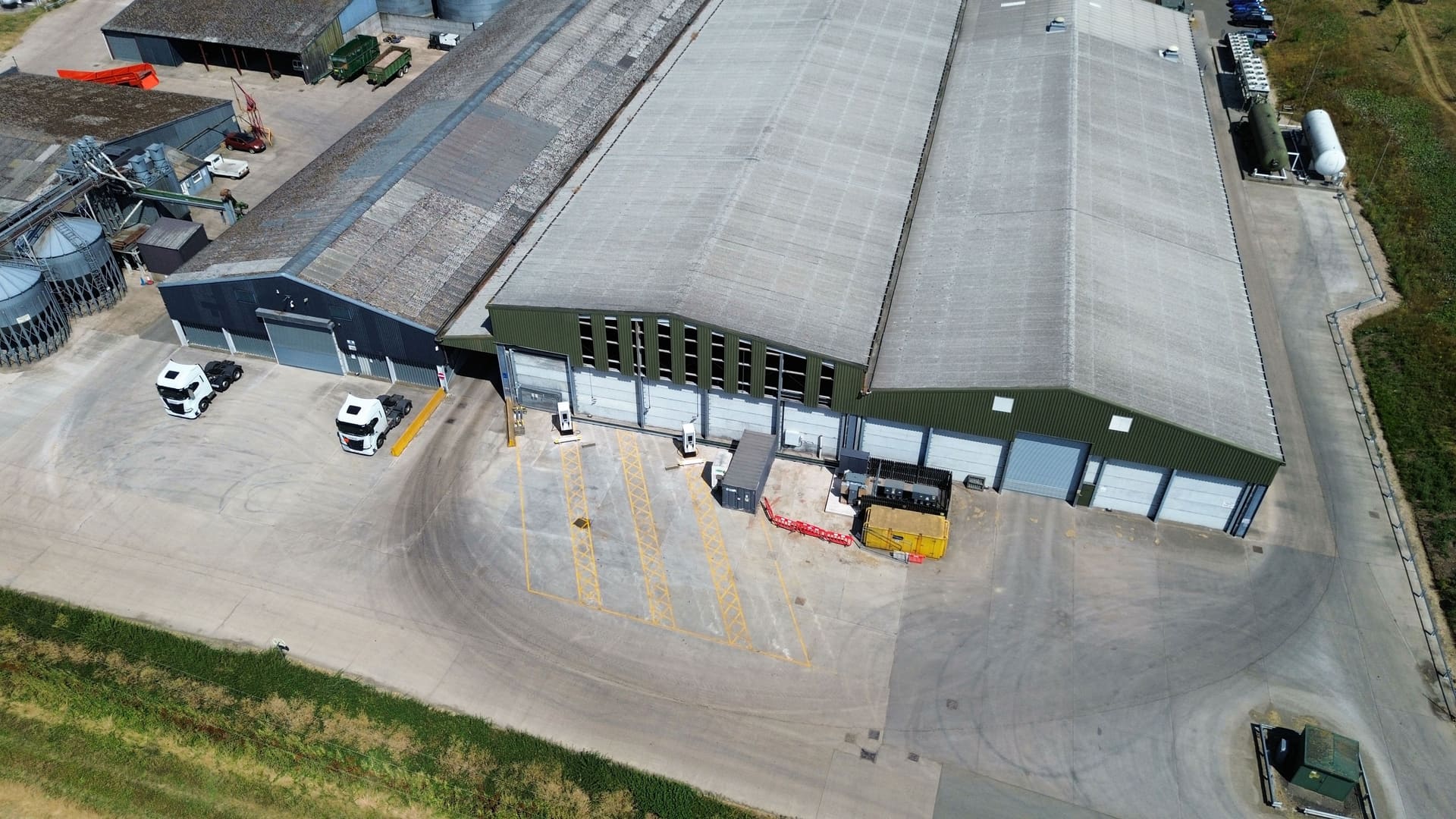
An electric van isn't automatically cheap to run. Where you charge it can completely change the maths.
For a van doing 2.4 miles per kWh, charged overnight at its depot at 22p per kWh, energy costs come to around 9p per mile. Rely on the public rapid network at 80p per kWh and that rises to around 33p per mile. The full cost-per-mile comparison, diesel included, is in its own article.
That's not a small difference.
And cost isn't the only reason depot charging can make sense for fleets whose vans return to base each night. There's also control, convenience and the simple fact that the vans are already parked.
First, look at the cost
On a van doing 2.4 miles per kWh, charging location changes the running cost like this:
- Depot overnight: 22p per kWh, about 9p per mile.
- Public rapid or ultra-rapid: 80p per kWh (Zapmap, July 2026), about 33p per mile.
- Diesel, for comparison: about 24p per mile at 35mpg and 183.5p a litre (DESNZ, 31 August 2026).
Slower public charging sits between the two. At those rates, a van living on the public rapid network costs more per mile than the diesel it replaced.
That is why "electric is cheaper to run" needs an important qualification. It can be, if you have the right charging model.

Your vans are already doing something useful overnight: nothing
For a return-to-base fleet, overnight parking creates a valuable charging window. The van finishes its route, the driver returns to the depot, the vehicle is plugged in, and while it sits for the night the energy it used during the day goes back into the battery.
There's no need to send a driver somewhere specifically to charge, or to get the energy into the vehicle as quickly as possible. The objective is simply that it is ready for the next shift.
That long dwell time can also allow fleets to use slower AC charging rather than relying on more expensive rapid charging.
Depot charging gives you more control
Public charging has an important role in the UK's EV infrastructure. But relying on somebody else's charger introduces variables you can't control:
- Is it available, and is it working?
- Is another vehicle using it?
- Can your van physically access the bay, and does the cable reach its charging port?
- How far does the driver need to divert from the route?
For an individual journey, these might be minor inconveniences. Across a working fleet, they can become operational time and cost.
With depot charging, the infrastructure is where the vehicles already need to be. You also have much greater control over how the chargers are maintained and how charging is managed across the fleet.
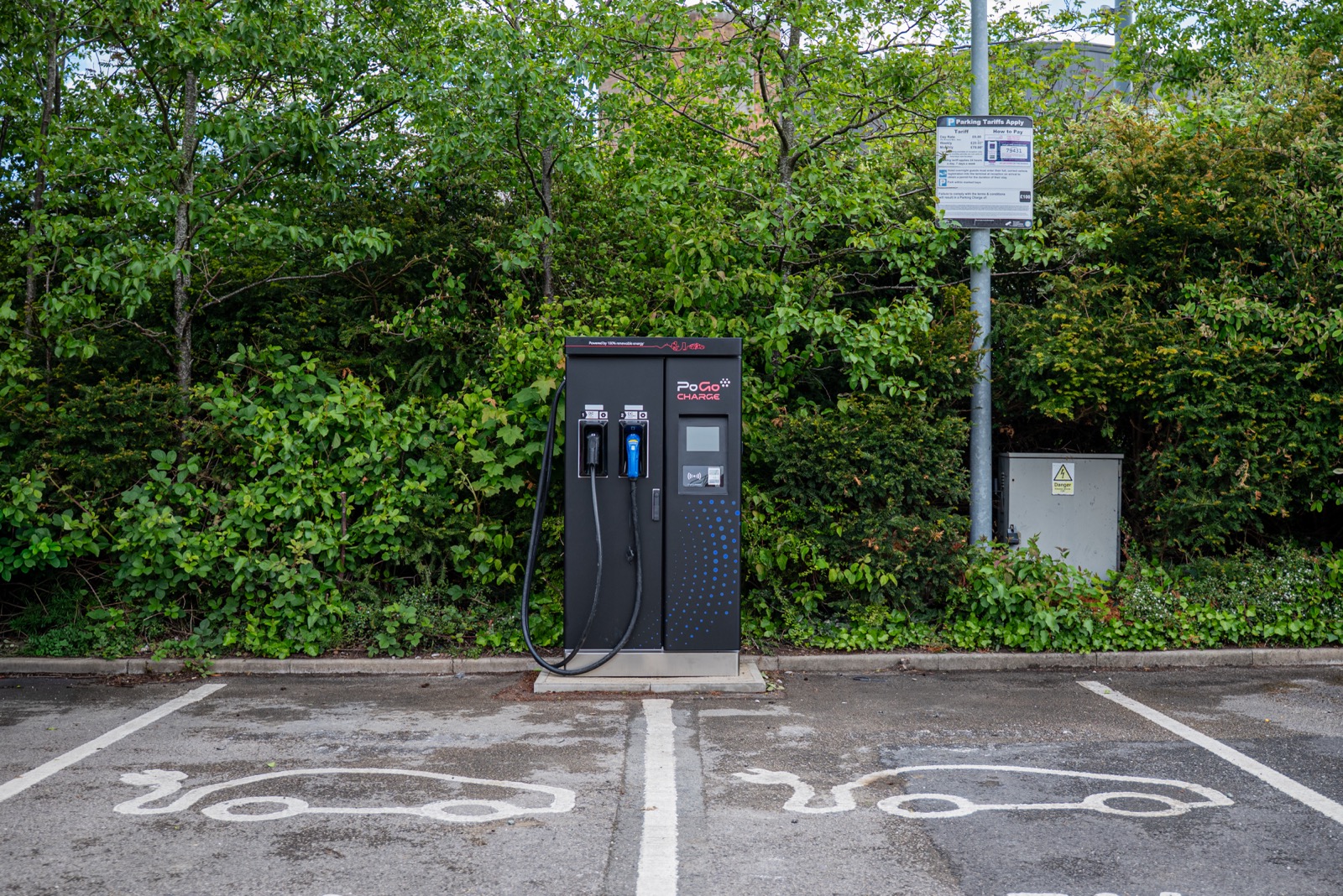
Does that mean fleets shouldn't use public charging?
Not at all. Public charging can be extremely useful for unexpected journeys, longer-than-normal routes, top-ups during the working day, and contingency when a vehicle cannot return to base as planned.
The distinction is between using public charging as a useful part of the network and building your everyday fleet operation around it. For a predictable back-to-base fleet, depot charging will often make more sense as the foundation.
What about charging at drivers' homes?
That's another option. For individually allocated vans and drivers with suitable off-street parking, home charging can work well. But it won't suit every workforce or every operating model.
And that's the bigger point. There isn't one correct charging location for every electric fleet. You need to understand where the vehicles spend their time, how they're allocated and what the operation needs before deciding where the charging should happen.
Depot, home or public: what makes sense for your fleet?
If you are already considering charging at your depot, book a free site charging assessment and our team will come back with what your site can support, the power you will need, a realistic programme and a ballpark cost.
Fleet charging
Want to know more?
See what your fleet could save, and what your site can support.
Fleet charging